
Skin Rejuvenation
PRP (Face)
Uses your own platelets to support skin repair and quality.
What is PRP (Face)
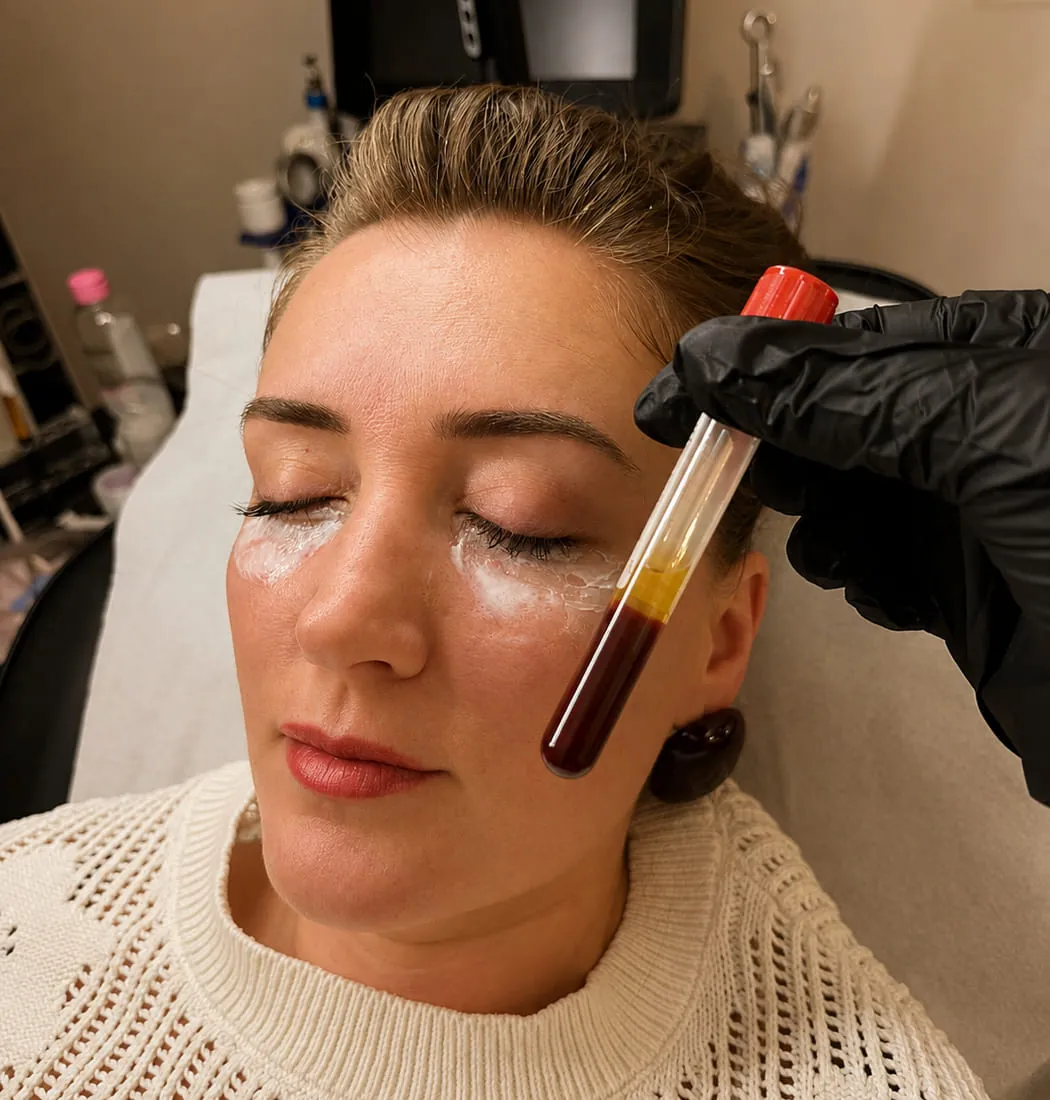
PRP uses a small sample of your own blood, which is spun to concentrate the platelet-rich portion and then applied back into the skin. The idea is to support the skin’s own repair using something that came from you.
It is usually carried out as a course, and results build gradually rather than appearing overnight. We will be honest about the timescale at your consultation.
Benefits
- Uses a sample of your own blood
- Supports the skin’s own repair
- Results build gradually over a course
Every treatment starts with a consultation. Results vary from person to person, and we will always be honest about what is realistic for you.
What to expect
-
We start by talking about whether you are considering PRP for your skin or your scalp, and what you are hoping it will help with. We ask a few health questions to check that it is suitable for you. We are honest from the outset about what PRP can and cannot do.
-
A small sample of blood is taken from your arm, much like a routine blood test, then spun in a centrifuge so the plasma can be separated and concentrated. That plasma is then placed into the skin of the face or the scalp through fine injections. Allow around 60 minutes for the appointment.
-
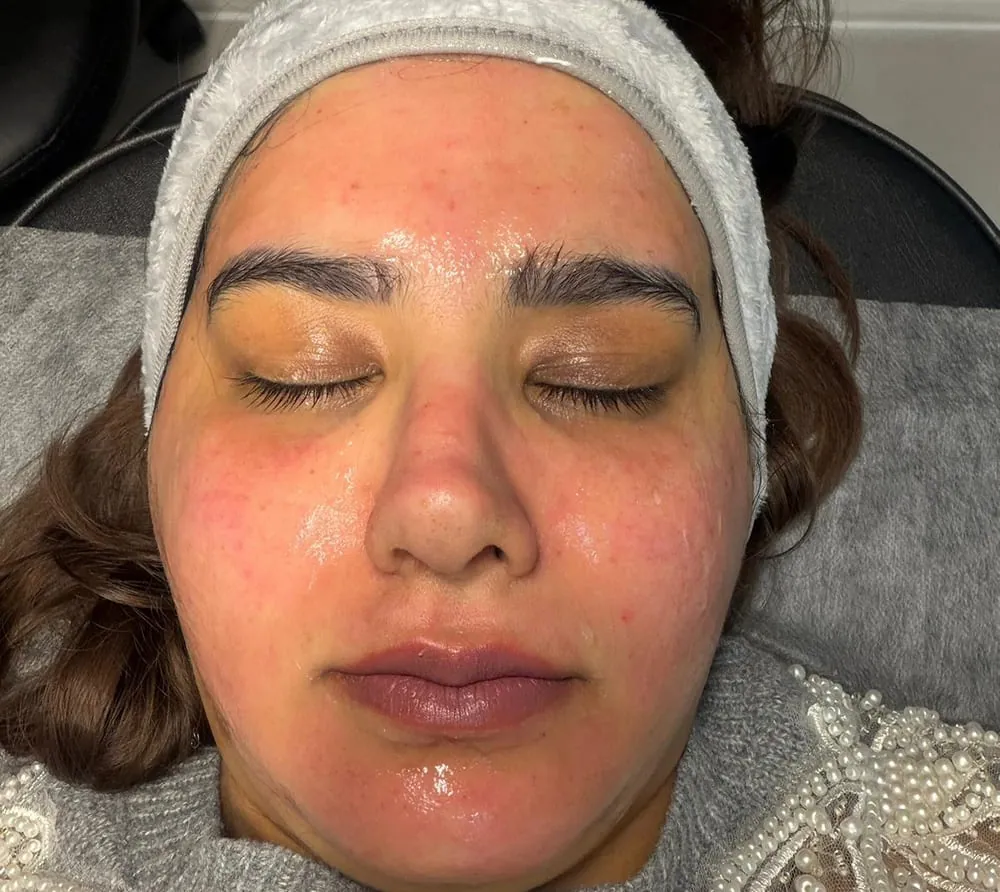
Some redness and tenderness on the day is normal, and small bruises where the needle went in are possible. Avoid make-up, the gym, saunas and swimming for the first 24 hours. If we have treated your scalp, leave washing your hair until the next day.
-
PRP works gradually, so there is nothing to see straight away. It is usually planned as a course of sessions a few weeks apart, with a review so we can see how your skin or scalp is responding before agreeing any more. Results vary from person to person.
Frequently
asked questions
Everything you may want to know about prp (face) before your visit.
The blood sample feels like a routine blood test. For the treatment itself a numbing cream is usually applied to the face beforehand, and the injections feel like a brief sting or prickle. The scalp can feel more sensitive than the face, and most people still find it manageable.
Allow around 60 minutes. That covers the blood sample, the time needed to prepare the plasma, numbing where it is used, and the treatment itself. A session is £180.
Downtime is minimal. Expect some redness and tenderness for a few hours to a day, and occasionally a small bruise at an injection point. Most people go straight back to normal life, avoiding make-up, the gym, saunas and swimming for the first 24 hours.
PRP is normally recommended as a course of sessions a few weeks apart rather than a single appointment, sometimes with occasional maintenance afterwards. The number that suits you depends on your skin or scalp and what you are hoping to improve. We agree the plan at your consultation and review as you go.
PRP is used to support the condition of the scalp and the look of the hair, and some people do notice an improvement. It does not suit every type of hair loss, and no result can be promised. We will look at your scalp at consultation and tell you honestly whether it is worth trying or whether you would be better speaking to your GP first.
Because PRP uses your own plasma, the risk of reacting to a foreign product is very low, but it is still not right for everyone. It is not carried out over an active infection in the area, and certain blood conditions, health conditions and medications mean it may not be appropriate. It is not usually offered during pregnancy. Share your health history at consultation and your practitioner will advise.
Visit us
Get directions- Monday – Saturday 10:00am – 6:30pm
- Sunday Closed